Step 1: Research & Discovery
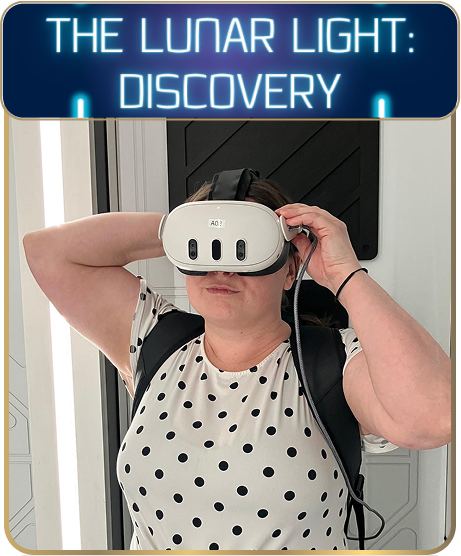
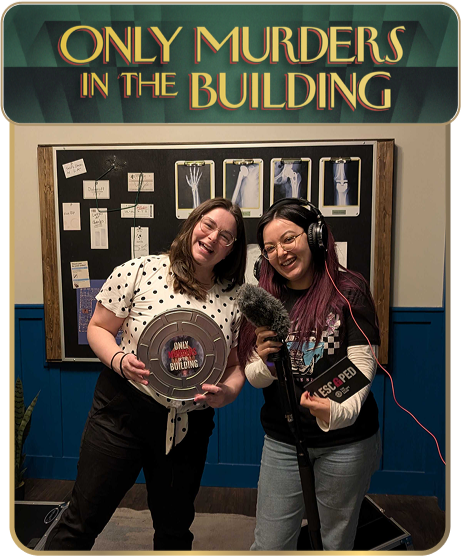
We explored real escape rooms, VR roleplay games, and mixed reality detective experiences to understand what worked—and what was missing. We noticed a gap in emotionally rich, story-driven interactive spaces that felt personal and tactile.
Step 2: Concept Development
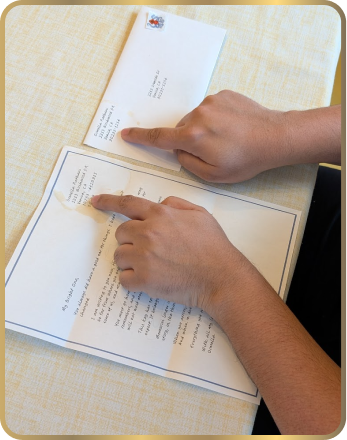
We sketched out early puzzle ideas, narrative arcs, and Ormella’s world. We anchored the experience in themes of legacy, memory, and discovery, with gameplay centered around uncovering her past through physical interaction.
Step 3: Prototyping & Fabrication
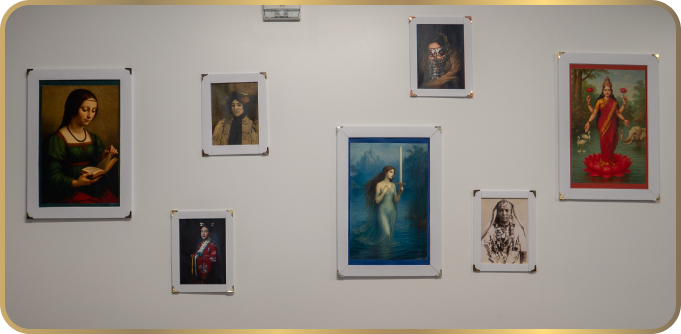
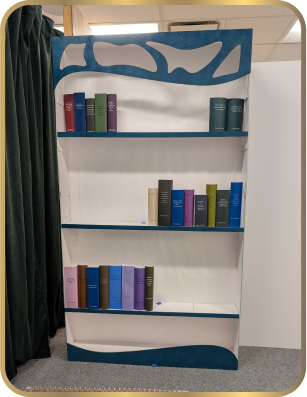
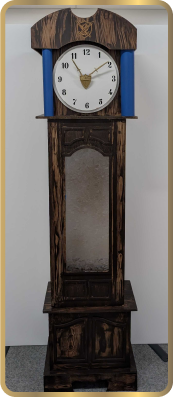
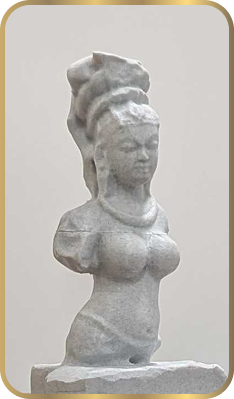
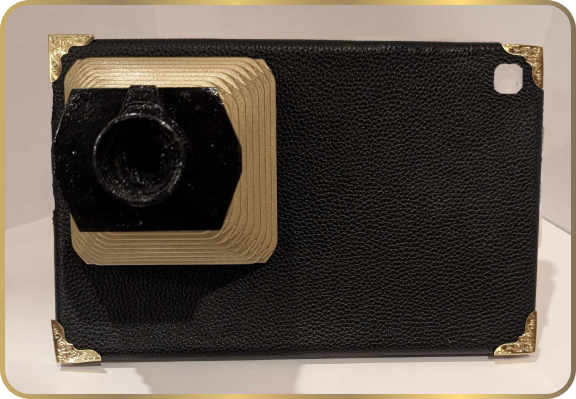
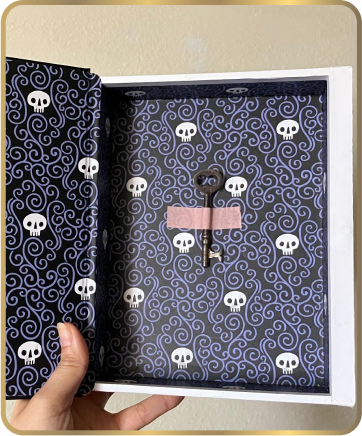
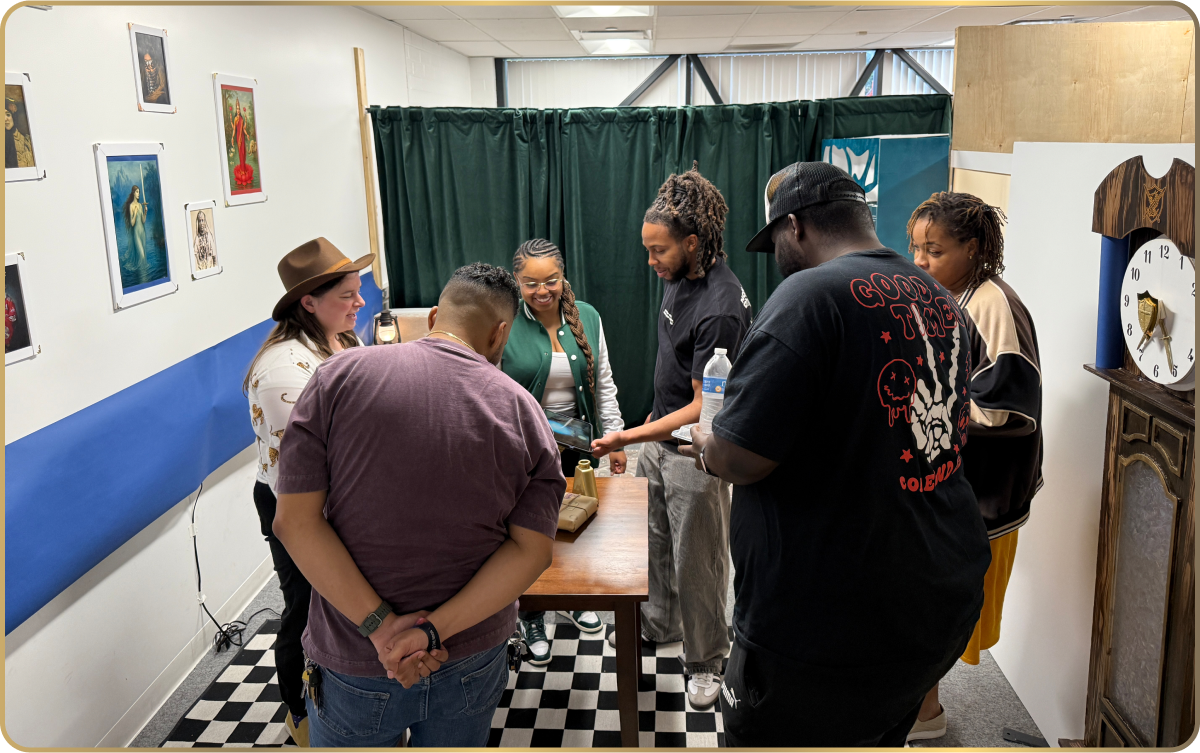
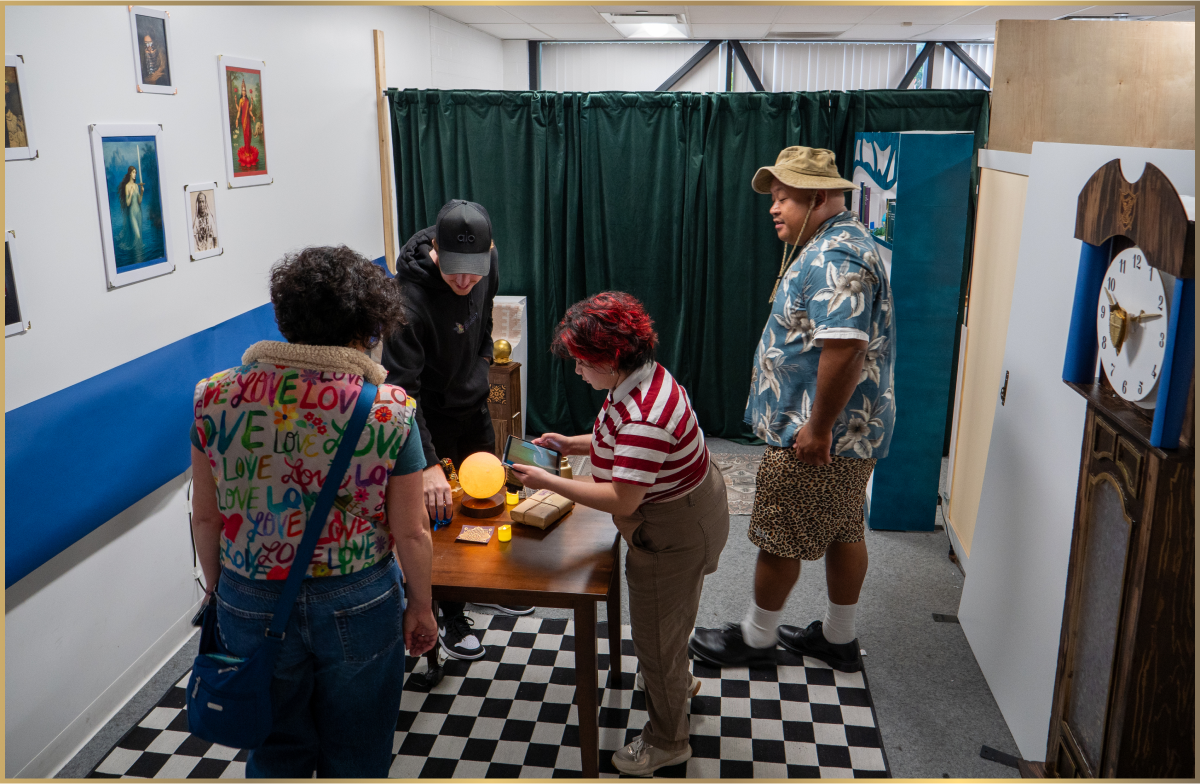
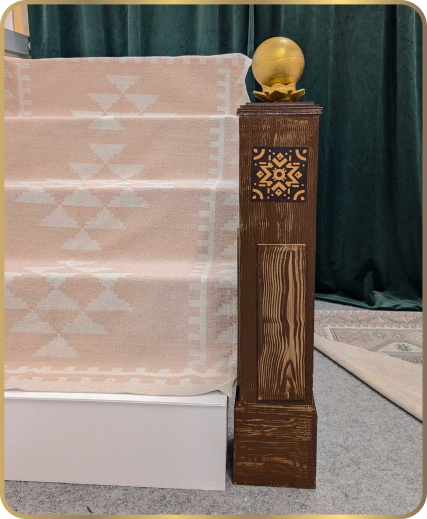
We built prop from foam core, then layered in RFID sensors, AR clues, and story fragments. Key features like the Veritas Camera and orb pedestal were refined through rapid iteration.
Step 4: Playtesting & Iteration
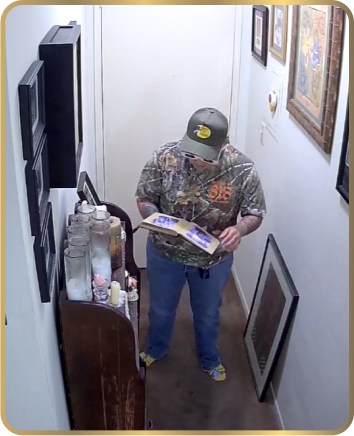
We conducted informal and structured user testing with peers, family, and classmates. Feedback from these sessions helped us improve clarity, pacing, and emotional resonance—especially in the playable demo.
Step 5: Final Build & Demo
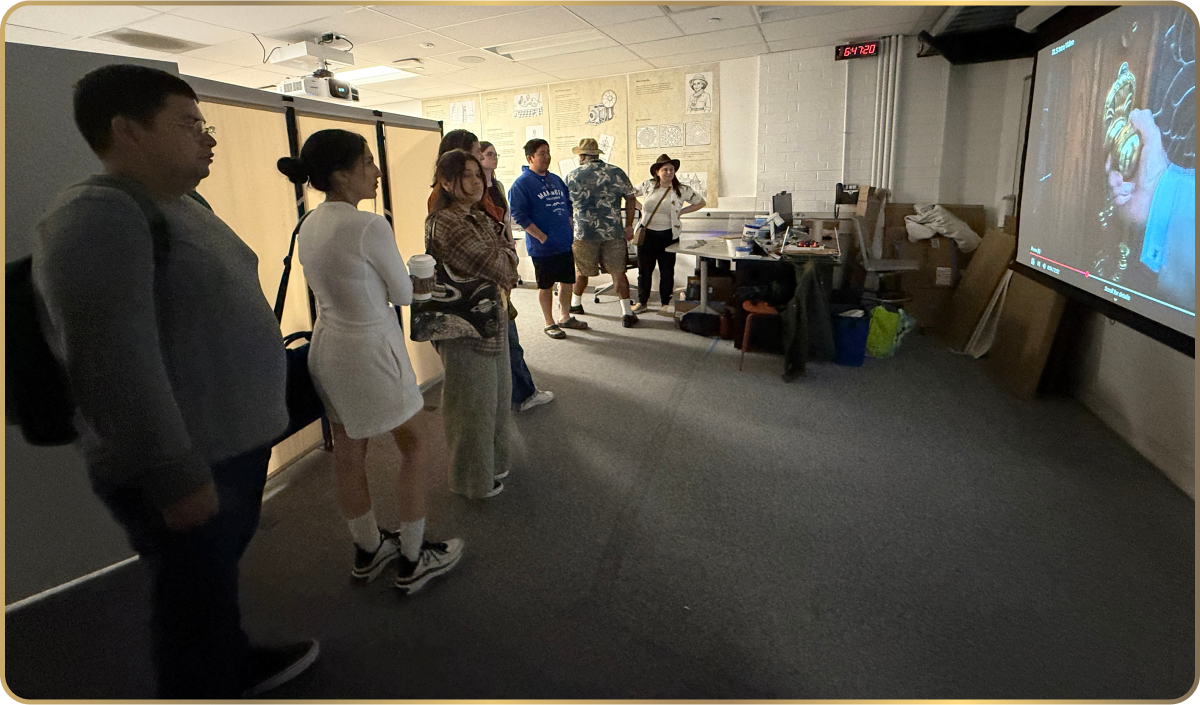
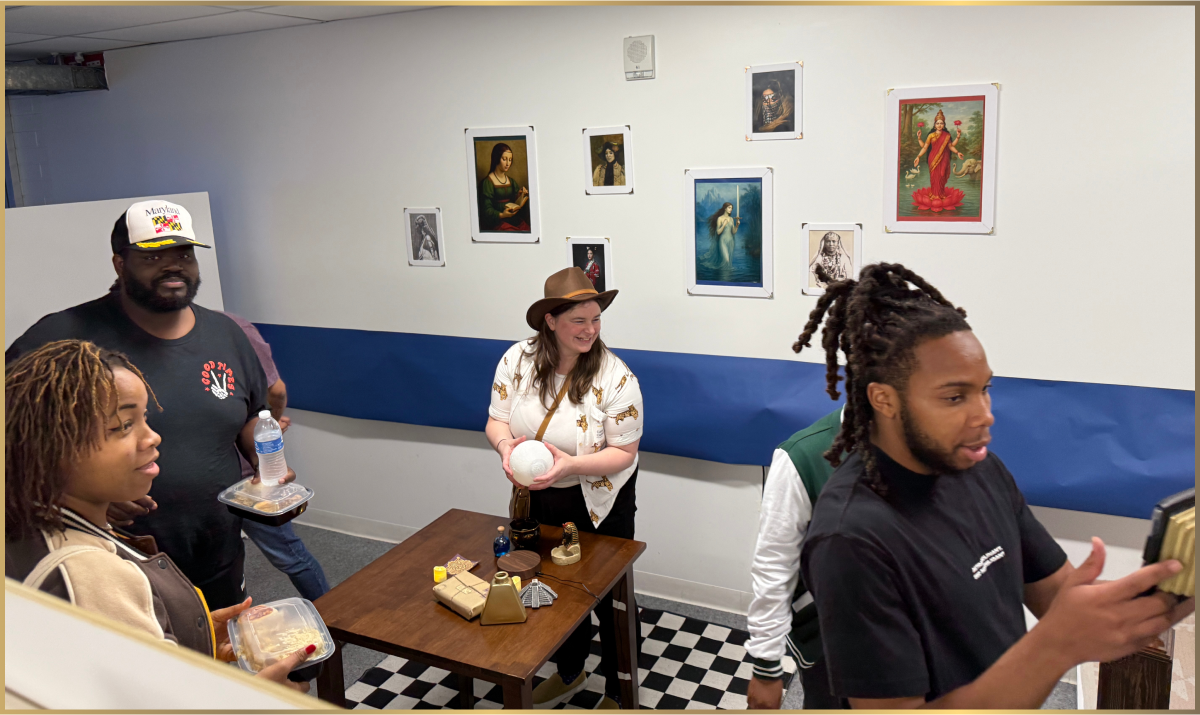
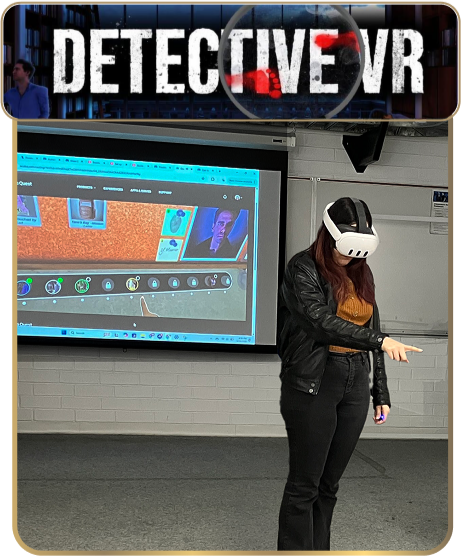
The final MVP was presented at CMD, featuring a partially completed build with a live in-world guide. The experience allowed players to explore freely, solve puzzles in any order, and uncover Ormella’s legacy at their own pace.

-1-2.png)

-1.png)